Excellent programs at Mid-Valley International College to leap your career forward.
Affiliated to HELP University, Malaysia
Diploma courses offered by City & Guilds, UK
Diploma courses offered by City & Guilds, UK

Affiliated to HELP University, Malaysia

Affiliated to HELP University, Malaysia

Affiliated to HELP University, Malaysia



Home
How to Become a Skilled Barista: A Step-by-Step Guide
If you enjoy coffee — not just drinking it, but watching how it’s made — then barista training could be something for you. Maybe you love the sound of the coffee machine, the smell of fresh beans, or the way a barista moves behind the counter. If that sounds like you, you’re in the right place.
Before we talk more about barista training, it’s good to know that it’s not just about using machines or serving drinks. It’s more than that.
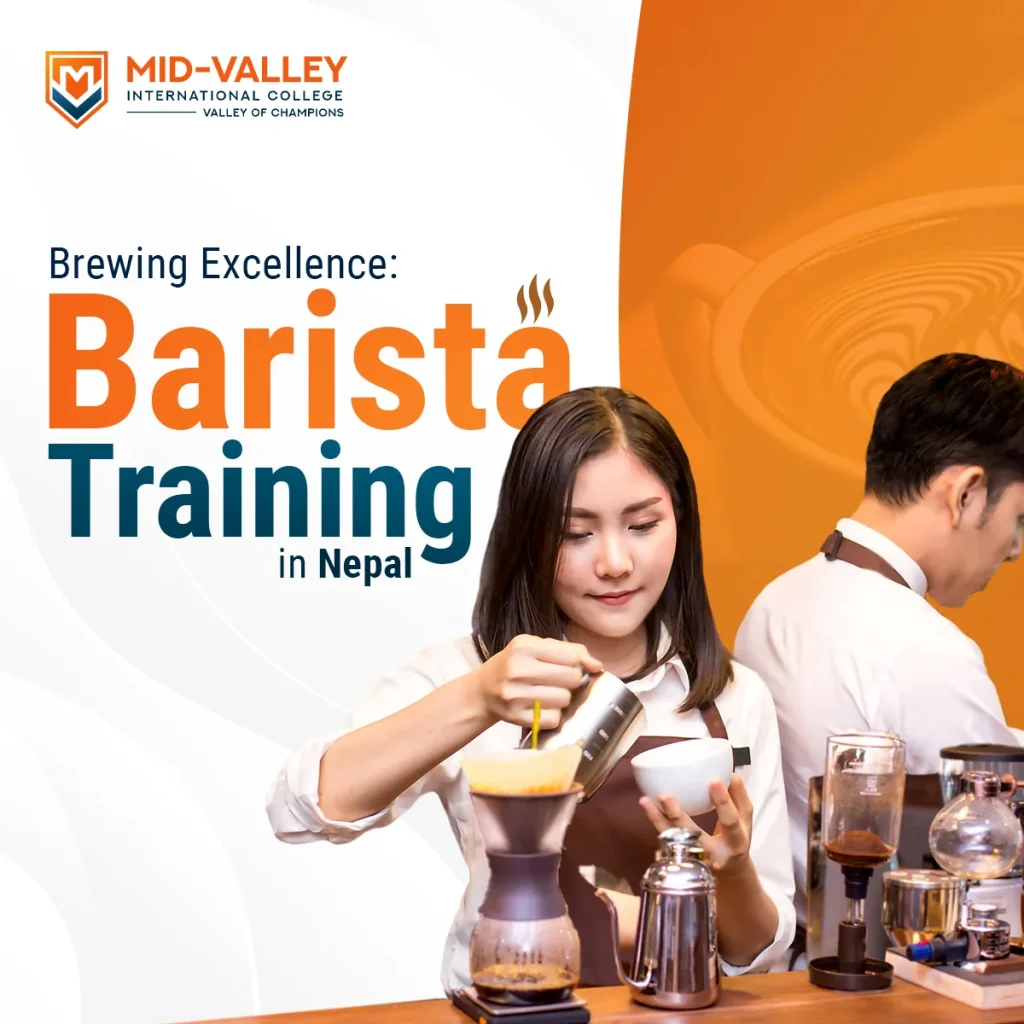
Barista training is about learning the whole process. You’ll learn where coffee comes from, how to bring out the best flavors, and how to make every cup with care. It also helps you feel confident, especially if you plan to work in a busy café.
So, let’s take a quick ride into the world of barista training — what it is, what it teaches, and who it’s for.
When you join a barista training course, you’ll gain hands-on experience and knowledge in many important areas. These skills will help you become confident and skilled behind the coffee machine.
You’ll learn about different types of coffee beans, where they come from, and how their origin affects taste. You’ll discover the difference between Arabica and Robusta beans, and why roasting levels change flavor profiles. This foundation helps you appreciate every cup you make.
Espresso is the heart of many coffee drinks. Training covers how to grind coffee beans to the right size, dose and tamp correctly, and operate the espresso machine. You’ll practice pulling shots that have rich flavor and the perfect crema.
Creating silky, smooth microfoam is essential for drinks like cappuccinos and lattes. You’ll learn how to steam milk properly and pour it to create simple latte art designs like hearts and rosettas that impress customers.
Barista training teaches you to handle espresso machines, grinders, and steam wands safely and effectively. You’ll also learn how to clean and maintain this equipment to keep it working well and ensure great coffee every time.
Being a barista means more than making coffee. You’ll learn how to communicate with customers, take orders accurately, and work efficiently during busy times. Good teamwork and organization are key parts of training, too.
There are different ways you can learn to become a barista. Depending on your schedule, budget, and goals, you can choose the type of training that works best for you.
These are short classes held at coffee schools or cafés. You go there in person and learn directly from experienced baristas. Workshops usually last a few hours or a couple of days. They are great because you get hands-on practice with real machines and can ask questions right away. It’s also a good way to meet other people who love coffee.
If you can’t attend a class in person, online courses are a good option. You watch videos, read materials, and follow step-by-step guides from home or anywhere with internet. Some courses have live sessions where you can talk to instructors, while others let you learn at your own pace. This option is flexible and often less expensive.
This is learning by working closely with a professional barista. You might spend weeks or months helping out in a café while being guided by an expert. This hands-on experience teaches you the daily routines, how to work in a real café environment, and how to handle busy times. It’s a great way to build confidence and skills over time.
Some cafés hire people without experience and teach them while they work. This training happens during your shifts, where you learn by doing, with support from your team. It can be slower, but it is practical and helps you get used to real customers and busy hours. This option is often free since you get paid while you learn.
Barista training is more than just learning how to make coffee. When you complete a training course, you gain many valuable benefits that can help you in different ways:
Barista training is useful for many different kinds of people. Here are some examples of who might want to take it:
Barista training is a fantastic way to turn your love for coffee into real skills and exciting opportunities. Whether you want to work in a busy café, improve your coffee-making at home, or even start your own coffee business someday, learning the art and science behind every cup can make a big difference.
If you’re ready to start your journey and become a skilled barista, Mid Valley International College offers excellent barista training programs designed for all levels. With hands-on workshops, expert instructors, and flexible schedules, Mid Valley can help you unlock your potential and turn your passion into a rewarding career.

Choosing an Information Technology (IT) career is an exciting and rewarding journey. If you're ready to dive into coding, data…
Learn More...